
Beautiful Plants For Your Interior

These guides cover what buyers usually want to know before they ask a supplier: grades, HS codes, harvest, specifications, storage and importing. Each guide is written for importers, wholesalers and brand owners who buy Turkish bay leaves in bulk.
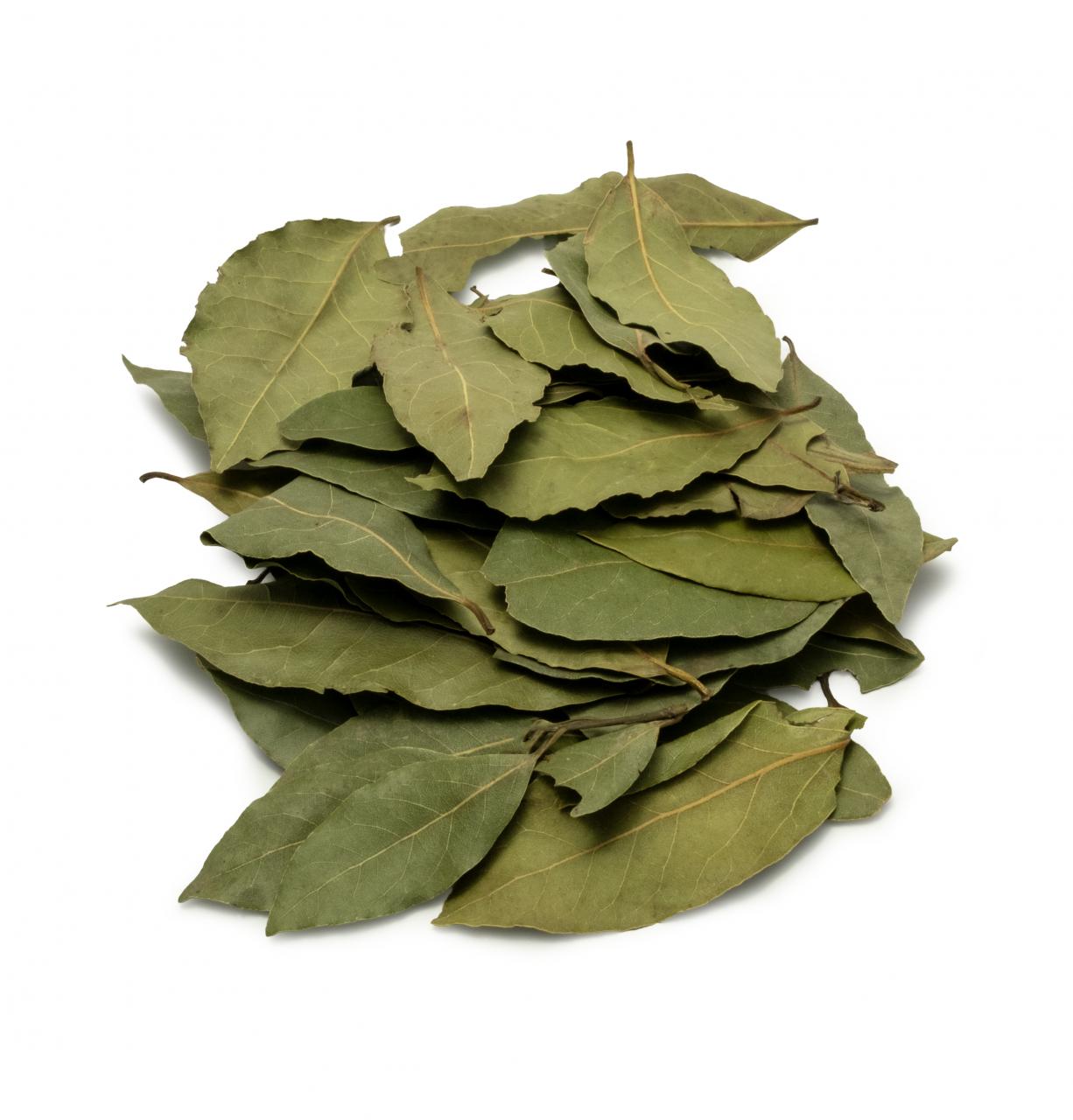
The HS code for bay leaves (0910.99), the EU CN code and the US HTS code, and how to check them with your customs broker.
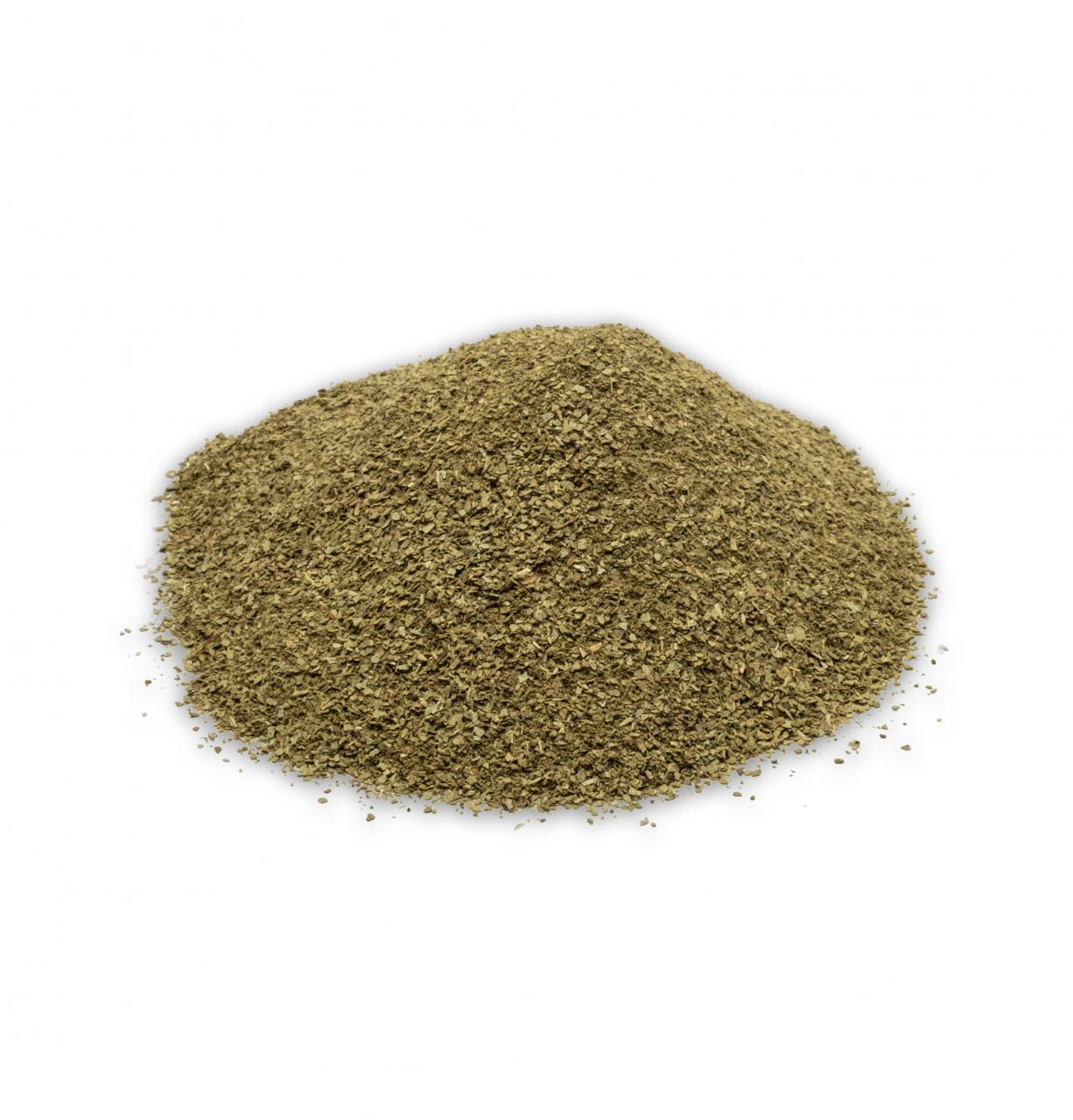
A general checklist of the quality, safety, packaging and document points a buyer can ask a bay leaf supplier to put in a specification.
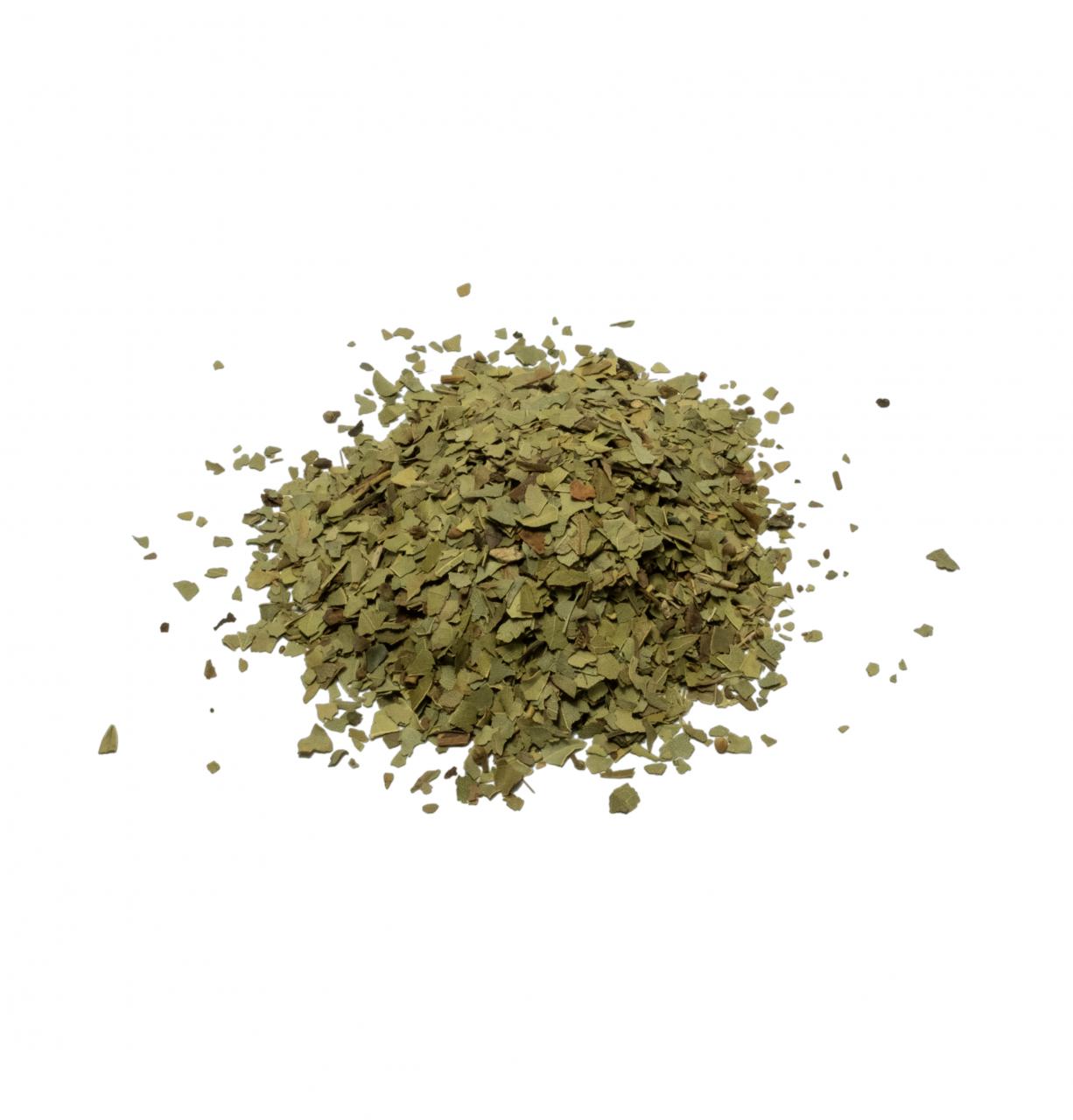
Bay leaf and laurel leaf usually name the dried leaf of Laurus nobilis. The common names, how they differ and how to write them on…
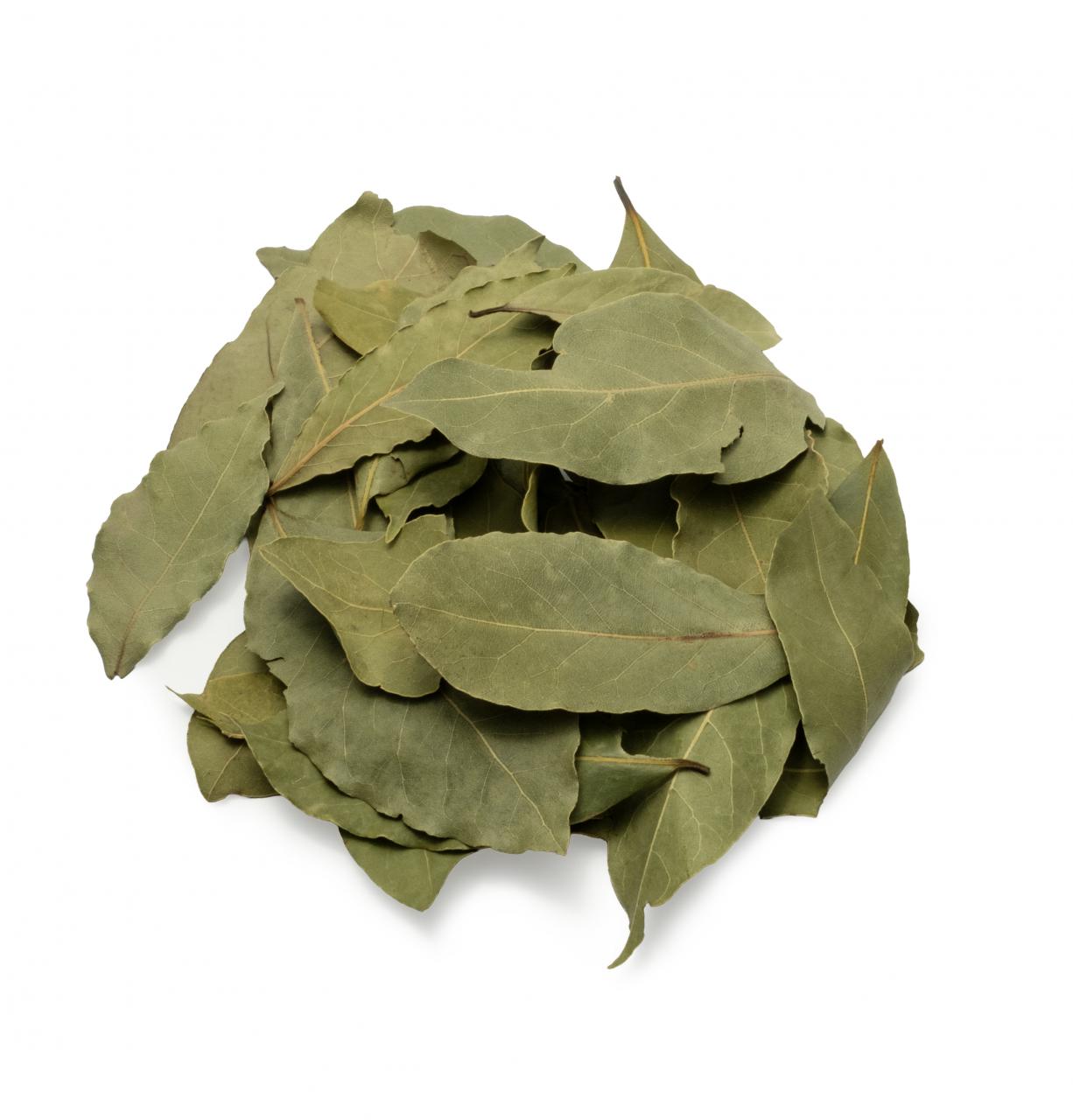
How Laurus nobilis leaves are harvested and dried, what research says about wild collection in Türkiye, and where AgroHoby sources bay leaves in Mersin.
General steps to import bay leaves from Turkey: supplier, specification, Incoterm, shipping from Mersin and customs codes.
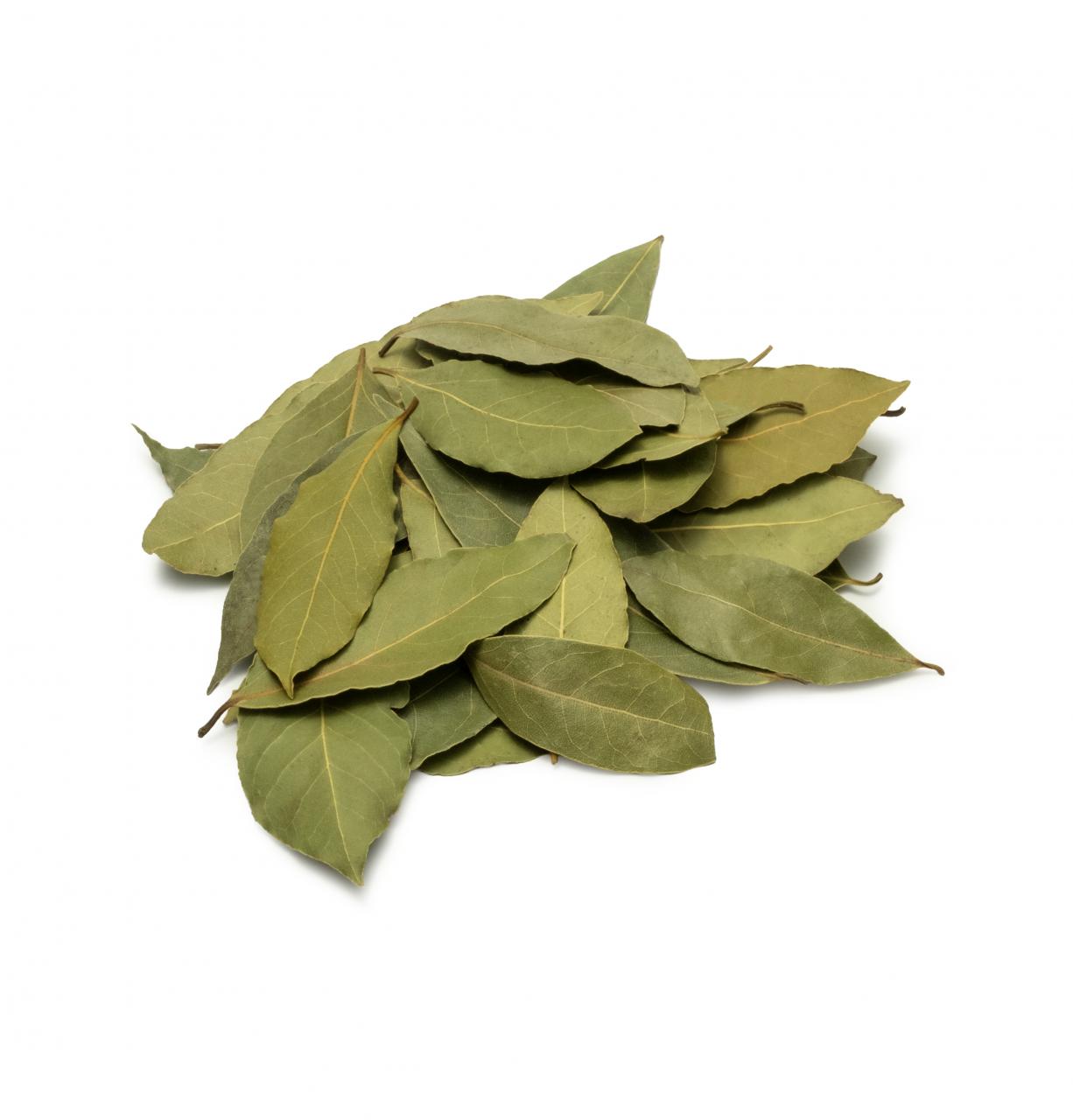
AgroHoby states a shelf life of 2 years for Turkish bay leaves. How extension services advise storing dried herbs and what labels should show.
How Turkish bay leaves are graded by size, colour uniformity, cleanliness and aroma, and what the seven AgroHoby quality names mean.
Turkish, California and Indian bay leaves come from three different plants. A comparison of botanical name, native region, leaf, aroma and use.
Start with Turkish Bay Leaf Grades Explained to see how the qualities differ. Then read Bay Leaf Specifications Buyers Should Request, so you know what to include in a purchase request. After that, choose the guide that matches your next question.