
Beautiful Plants For Your Interior

Bay leaf and laurel leaf usually name the dried leaf of Laurus nobilis. The common names, how they differ and how to write them on a quote request.
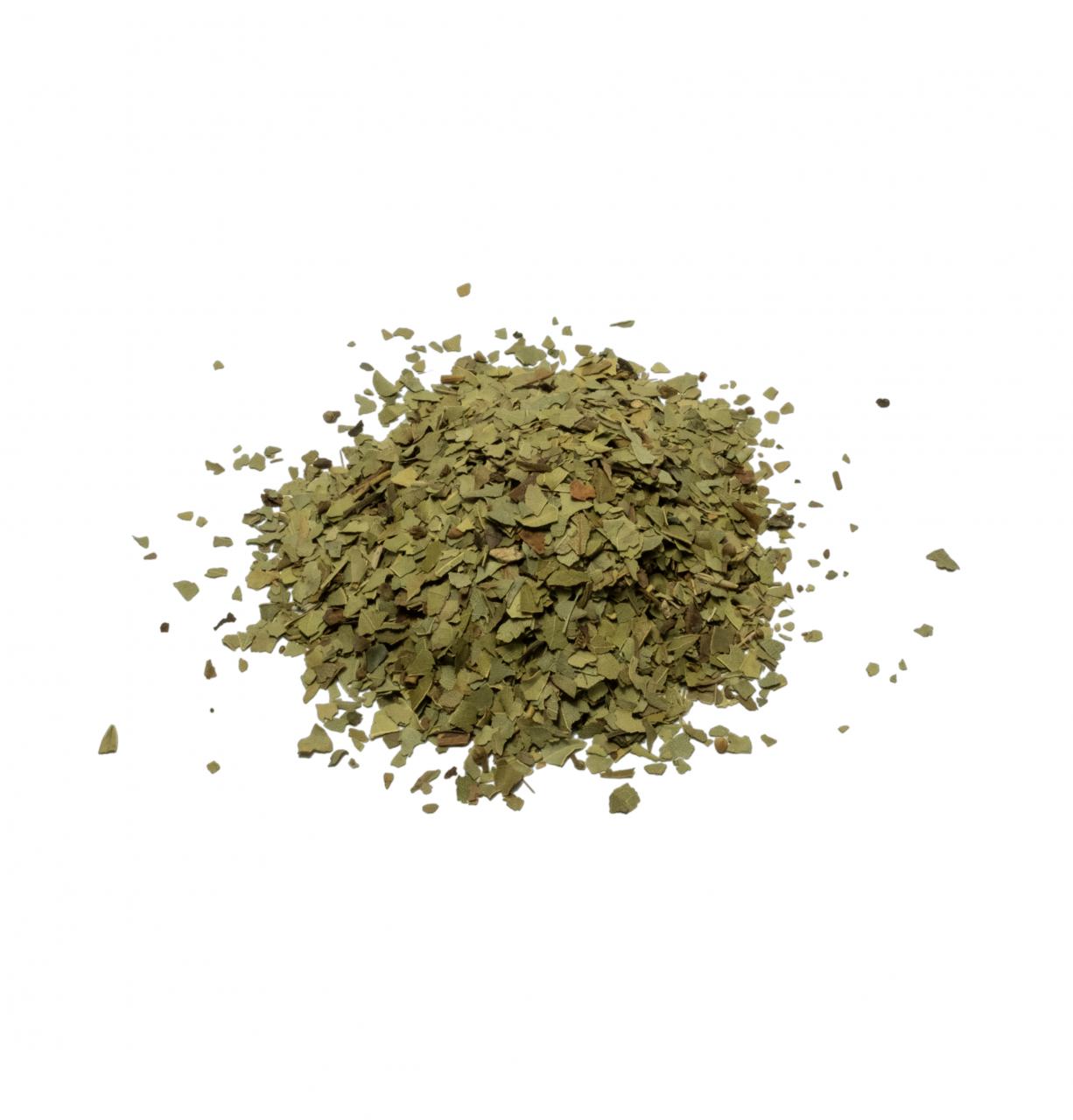
Bay leaf and laurel leaf are two names that are often used for the same dried leaf, and the botanical name Laurus nobilis ties them together. This guide explains what each name usually means in the spice trade and on labels, and how to write the name on a quote request so that both sides mean the same plant.
In most cases, yes. Bay leaf and laurel leaf both name the dried leaf of Laurus nobilis, a Mediterranean tree of the laurel family, Lauraceae. Other plants are also called bay or laurel in some regions, so the botanical name is the dependable way to say which leaf you mean.
English names include bay laurel, sweet bay, Grecian laurel and true laurel, along with the plain names bay and laurel. In other languages the plant appears as alloro, laurier and Lorbeer. Sellers and buyers may use any of these, so check that the botanical name appears on the specification.
| Name | Type of name | What it refers to |
|---|---|---|
| Bay leaf | Culinary and trade name | The dried leaf of Laurus nobilis |
| Laurel leaf | Alternative English name | The dried leaf of Laurus nobilis |
| Bay laurel | Plant name | The Laurus nobilis tree |
| Sweet bay | Plant name | The Laurus nobilis tree |
| Grecian laurel | Plant name | The Laurus nobilis tree |
| Laurus nobilis | Botanical name | The species itself |
Several plants in the laurel family have aromatic leaves, and some carry bay or laurel in their common names. California bay, also called Oregon myrtle, is one example. Its leaves are sometimes used as a substitute for true bay and have a much stronger flavour. Our comparison guide explains the botanical differences.
Leaf size and texture give a first clue. Laurus nobilis leaves are leathery, about 5 to 10 cm long, with a glossy dark green upper surface. California bay leaves are thick and leathery and a little longer, about 5 to 13 cm. A botanical check or a lab report settles any doubt.
Dried bay leaves flavour soups, stews, meat, fish and vegetable dishes, according to a review in Medicinal Plants of South Asia. The same source mentions traditional medicinal and cosmetic uses. Use depends on the plant and the form, so ask your supplier for details about the product you plan to buy.
AgroHoby uses the name Turkish bay leaves for its products and gives Laurus nobilis as the botanical name, with Lauraceae as the family. The leaves are whole dried leaves from Mersin, with cut and ground forms also available. The botanical name appears in the product specifications on the Bay Leaves page.
Write the common name and the botanical name together, for example bay leaf, Laurus nobilis. Add the form you need, such as whole, cut or ground, then the grade, packaging and quantity. A short and exact description keeps the quote, the specification and the invoice consistent and avoids questions later.
More buyer guides are listed on our resources page.
Last updated: October 2026
