
Beautiful Plants For Your Interior

A general checklist of the quality, safety, packaging and document points a buyer can ask a bay leaf supplier to put in a specification.
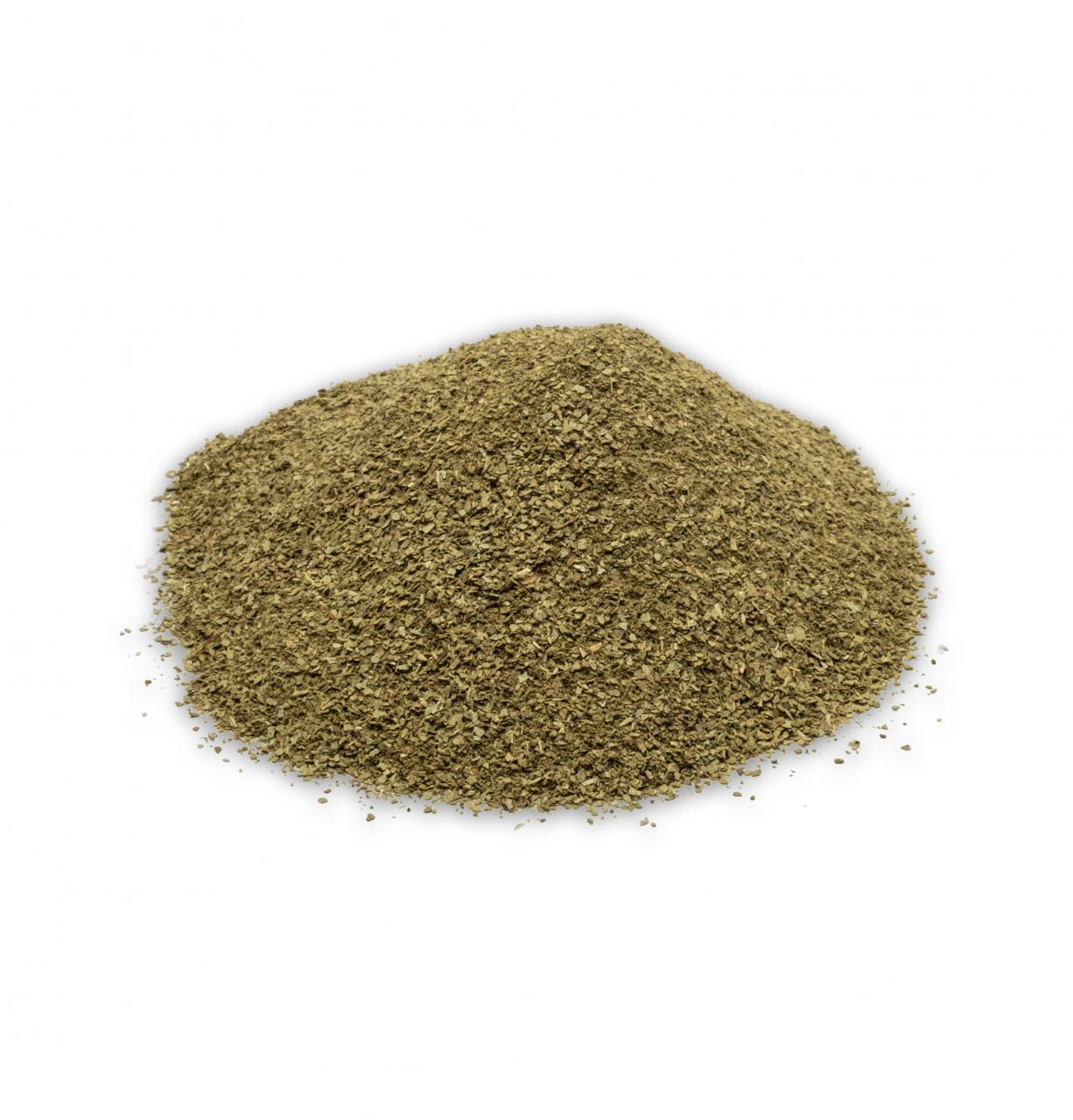
A specification is a written list of what a lot of dried bay leaves must meet before a buyer accepts it. This guide gives a general checklist of points to ask any bay leaf supplier about, based on public market guidance. It contains no values from AgroHoby. Numeric limits are agreed with the supplier for each grade and each order.
A bay leaf specification is a written agreement on the quality, safety, packaging and paperwork of a lot. It turns a grade name into points that can be checked on arrival. The CBI market guide notes that buyers often use a product data sheet to set their own requirements, so ask for one or send yours.
Cover moisture, foreign matter, leaf size and the share of broken leaf, colour and aroma. Ask the supplier how each point is measured and what limit applies to your grade. Some buyers use trade association guidance as a reference, for example the quality minima of the European Spice Association, which the CBI guide describes.
| Point | What to ask | Why it matters |
|---|---|---|
| Moisture | The limit and the test method | Trade guidance sets limits for it |
| Foreign matter | The limit for stems, dust and other matter | Shows how clean the lot is |
| Leaf size and broken leaf | The size range and how much broken leaf is allowed | Sets the look of the lot |
| Colour | The expected colour and how uniform it is | Shows how the leaf was handled |
| Aroma | How the smell is assessed | Linked to the essential oil in the leaf |
Ask for laboratory results that match the rules of your import market. For the European Union, the CBI guide lists pesticide residues within legal limits, no Salmonella, and limits for plant toxins such as pyrrolizidine alkaloids in dried herbs. It also notes that buyers typically expect laboratory reports that are no older than six months.
Ask the supplier to state the packaging type, the net weight and the way the lot is sealed. For bulk packs, the CBI guide lists the details a label should carry: product name and variety, batch code, net weight, shelf life or expiry date, storage conditions, lot number, country of origin and the details of the manufacturer or importer.
Ask which documents your country requires before the order is confirmed. The CBI guide says phytosanitary certificates apply to fresh herbs and spices and to seeds for sowing, and that organic goods need their own electronic certificate. Your customs broker can confirm what applies to dried bay leaves in your market.
Put the agreed points into the purchase order or contract, and attach the product data sheet. State the botanical name, Laurus nobilis, the grade, the form, the packaging, the quantity and the delivery terms. Agree how a lot is sampled and who pays for testing if a result is disputed, so that a disagreement can be settled quickly.
Tell us the grade you need. Add the packaging, the quantity and the country you import into, and our export team will reply by email. You can start from the request a quote form for Turkish bay leaves, and common questions are answered in the FAQ about Turkish bay leaves.
More buyer guides are listed on our resources page.
Last updated: October 2026
