
Beautiful Plants For Your Interior

How Laurus nobilis leaves are harvested and dried, what research says about wild collection in Türkiye, and where AgroHoby sources bay leaves in Mersin.
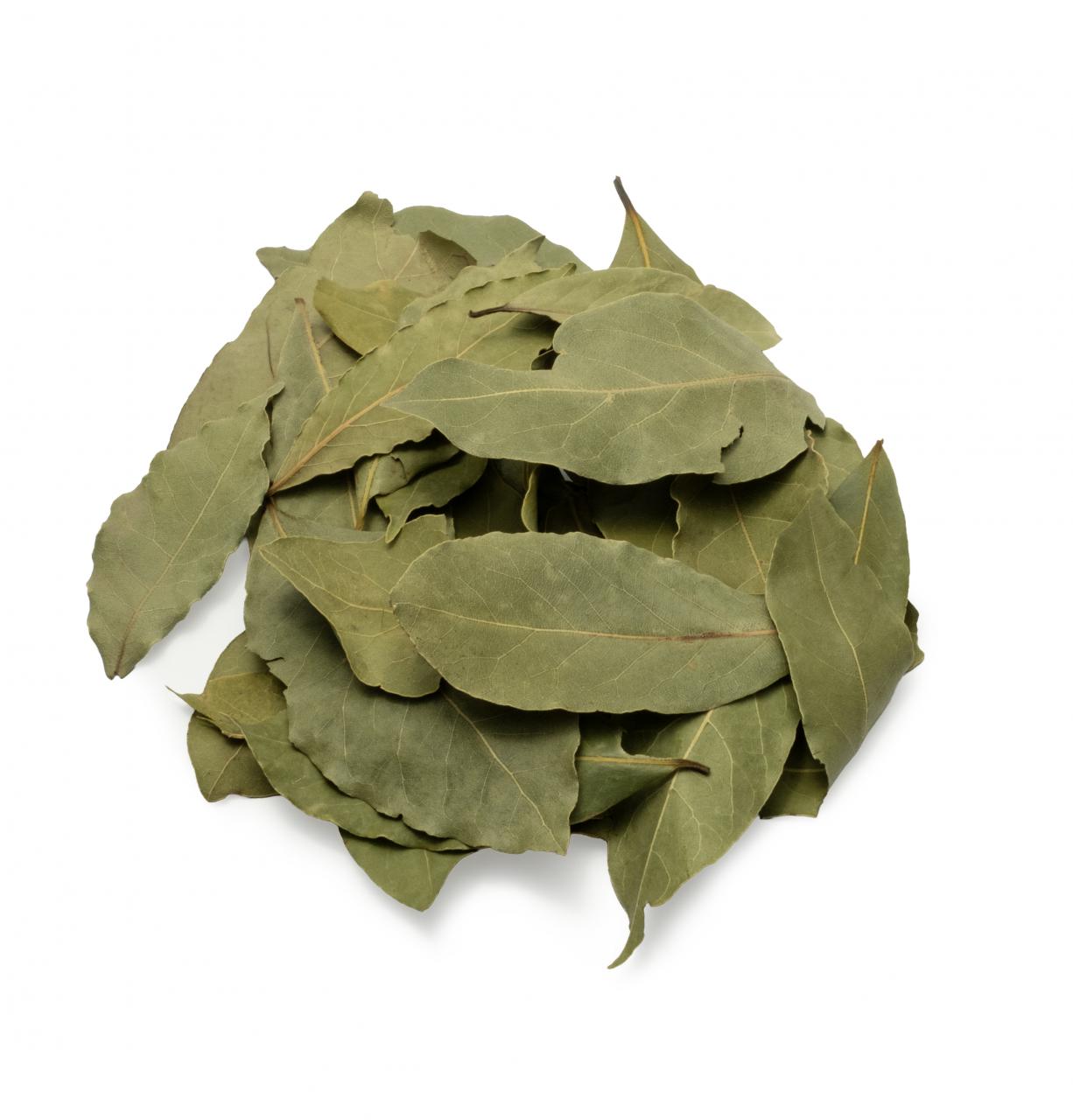
Bay laurel, Laurus nobilis, is an evergreen plant of the Mediterranean region, and the leaves sold as bay leaves are picked and then dried. This guide describes how harvest and drying work in general, based on published research, and what AgroHoby says about the area where it sources its leaves in Mersin.
Laurus nobilis is native to the Mediterranean region and Asia Minor. It is a perennial evergreen that grows as a shrub or a tree, up to about 20 m as a tree. In Türkiye it grows naturally along the coast. AgroHoby sources its leaves in Mersin.
A review of the plant reports that leaves can be taken at any time of year from a mature plant, but not while the plant is wet. A study in Antalya province recommends that leaf collection be done by experienced people at the right time of year. Local timing depends on the area, so ask your supplier how and when leaves are picked.
A study in Antalya province recommends rotating collection areas every three or four years and avoiding repeated harvest at the same place. It also reports that overgrazing and uncontrolled harvest threaten wild stands.
Fresh bay leaves are bitter and pungent, so they are dried before use. One review gives drying times of 48 to 72 hours and says traditional open air drying takes 10 to 12 days, and that sun drying can cause some loss of colour and oil. It names hot air drying at 60°C as the most suitable method it describes.
The aroma comes from essential oil compounds in the leaf. The review names eugenol, methyl eugenol and elemicin as contributors to aroma and quality. Because drying that is too slow or too hot can cost colour and oil, buyers check colour and smell when a lot arrives and compare them with an agreed sample.
Colour, aroma and cleanliness show how leaves were handled after picking. AgroHoby grades Turkish bay leaves by size, colour uniformity, cleanliness and aroma, as described on our quality control page. Tell us the grade, packaging and quantity you need and ask for a sample by grade.
Wild stands vary from one area and one year to the next, which is why a sample and a written specification help both sides agree what will be delivered. Ask the export team about the grade you need and the packaging you prefer before you place an order.
More buyer guides are listed on our resources page.
Last updated: October 2026
