
Beautiful Plants For Your Interior

AgroHoby states a shelf life of 2 years for Turkish bay leaves. How extension services advise storing dried herbs and what labels should show.
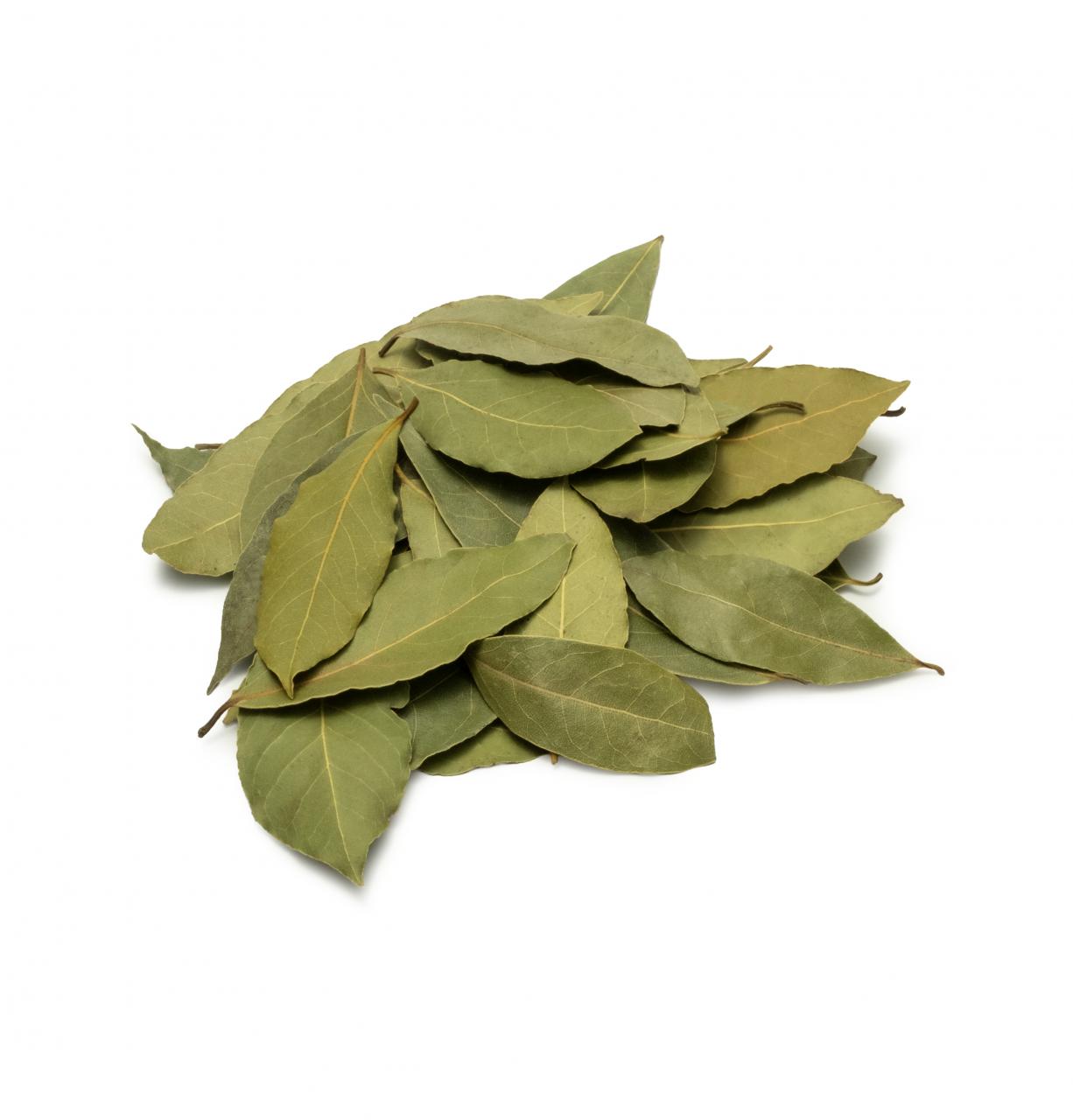
Dried bay leaves keep for a long time when they are packed and stored well. AgroHoby states a shelf life of 2 years for its Turkish bay leaves. This guide explains what shelf life means, how extension services advise storing dried herbs, and what a buyer should check on the label and on arrival.
AgroHoby states a shelf life of 2 years for its Turkish bay leaves. Shelf life depends on the product, the packaging and the way the lot is stored, so it assumes the storage conditions given by the supplier. Ask for those conditions in writing and check them against the label on each pack.
University extension guidance for dried herbs is to store them in airtight containers in a cool, dry, dark place. These sources describe dried herbs in general, so confirm the conditions for your own lot with the supplier. Keep the packs closed, away from light and heat, and away from damp floors and walls.
Yes. Oregon State University Extension reports that whole leaves and seeds keep longest, while ground herbs lose flavour fastest. AgroHoby supplies whole dried leaves as well as a cut and cleaned form and a fine powder form. If you stock more than one form, ask the supplier about the shelf life of each.
The CBI market guide says bulk labels should show the product name and variety, batch code, net weight, shelf life or expiry date, storage conditions, lot number, country of origin and the manufacturer or importer details. Check these details when a delivery arrives, and keep a photograph of the label with your goods receipt.
Compare the colour, the smell and the dryness of stored leaves with the sample you approved before ordering. Check that the pack is closed and undamaged, and that no moisture has entered it. If something looks different from the sample, write down the lot number and contact the supplier with photographs.
AgroHoby offers 5 kg and 10 kg carton boxes and 25 kg and 50 kg bulk packaging, with custom packaging on request. Tell us the grade, packaging and quantity you need, and our export team will answer by email. You can see the product details on the Turkish bay leaves page.
Send the grade, the packaging, the quantity and the country you import into through our request a quote form for Turkish bay leaves. Common questions are answered in the FAQ about Turkish bay leaves. For related reading, see how bay leaves are harvested and dried and the bay leaf specifications buyers should request.
Storage conditions at your own warehouse matter as much as the pack itself. Keep a simple stock record with the lot number, the date of receipt and the date the supplier states, and use older lots first. This makes it easy to answer a question about any delivery months later.
More buyer guides are listed on our resources page.
Last updated: October 2026
