
Beautiful Plants For Your Interior

Turkish, California and Indian bay leaves come from three different plants. A comparison of botanical name, native region, leaf, aroma and use.
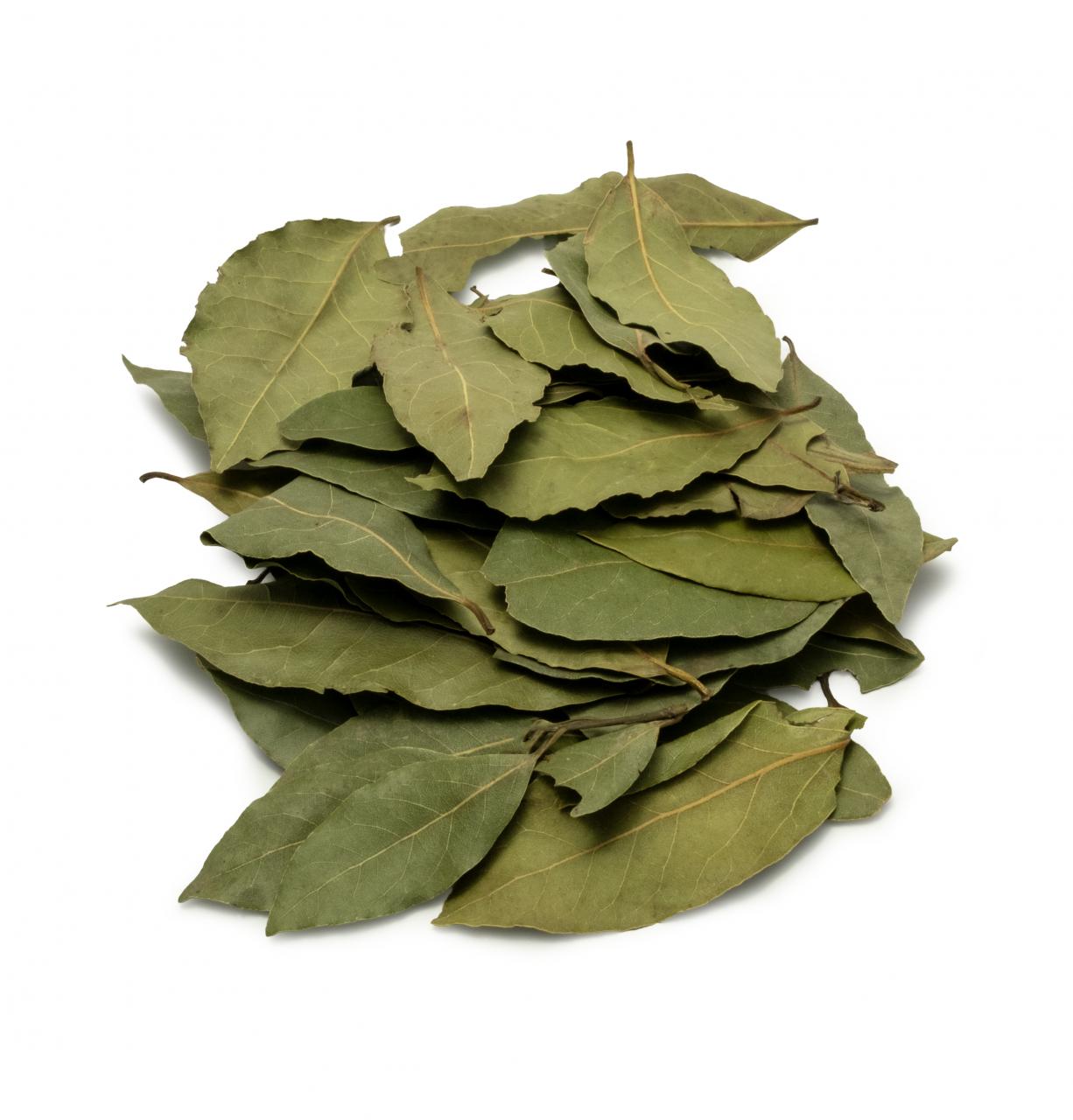
Three different plants are sold under the name bay leaf. Turkish bay leaf is Laurus nobilis, California bay is Umbellularia californica and Indian bay leaf is Cinnamomum tamala. All three belong to the laurel family, but they differ in native region, leaf shape, aroma and use. This guide compares them so you can name the right leaf on an order.
They come from three different plants in the laurel family. Turkish bay leaf is Laurus nobilis grown in Türkiye, California bay is Umbellularia californica, and Indian bay leaf is Cinnamomum tamala. Their leaves differ in shape, aroma and use, so the botanical name matters whenever you buy, label or substitute one of them.
| Common name | Botanical name | Native region | Leaf | Aroma and use |
|---|---|---|---|---|
| Turkish bay leaf (true bay) | Laurus nobilis | Mediterranean region and Asia Minor | Thick, tough, glossy dark green, about 5 to 10 cm long | Strong scent. Flavours soups, stews, meat, fish and vegetables. |
| California bay | Umbellularia californica | Southwest Oregon to southern California | Thick, leathery, about 5 to 13 cm long | Strongly aromatic. Used as a substitute with a much stronger flavour. |
| Indian bay leaf | Cinnamomum tamala | Himalayan foothills and Northeast India | Evergreen leaf with three prominent veins | Cinnamon and clove notes. Used in biryani, pulao, curries and garam masala. |
True bay leaves come from Laurus nobilis, a Mediterranean species. Oregon State University notes that leaves of California bay are sometimes used as a substitute and have a much stronger flavour. Turkish bay leaf is Laurus nobilis grown in Türkiye, so it belongs to the true bay group.
Laurus nobilis leaves have a strong scent, and a review links their aroma to compounds such as eugenol, methyl eugenol and elemicin. California bay leaves are strongly aromatic and much stronger in flavour. Indian bay leaf has a cinnamon and clove note that the Indian Institute of Spices Research ties to eugenol and cinnamaldehyde.
Dried Laurus nobilis flavours soups, stews, meat, fish and vegetable dishes. Indian bay leaf is used whole in biryani, pulao, curries and rice dishes and in spice blends such as garam masala. California bay is mainly a substitute for true bay. Check a recipe for the leaf it names before you swap one for another.
Look at the veins and the shape. Indian bay leaf has three prominent veins running along the leaf. Laurus nobilis often has a wavy edge and a glossy upper surface. California bay leaves are lance shaped with edges that curl slightly under. Ask your supplier to confirm the botanical name in writing.
Choose by recipe and by the name on your labels, and write the botanical name on the order so that the supplier ships the plant you expect. AgroHoby supplies Turkish bay leaves, Laurus nobilis, from Mersin. Tell us the grade, packaging and quantity you need through our request a quote form for Turkish bay leaves.
More buyer guides are listed on our resources page.
Last updated: October 2026
